

The calendar planner that tracks itself
Toggl calendar planner turns your to-do list into a schedule: drag tasks onto the day, block the time, and start the timer from the block — so what you planned and what actually happened live in one place.

Drag-and-drop time blocking
Google and Outlook events, side by side with your plan
One click turns a meeting into tracked time
The calendar and time blocking are included on every plan. Paid plans add team schedules, milestones, guest access, and advanced reporting.







Everything your day touches, in one system
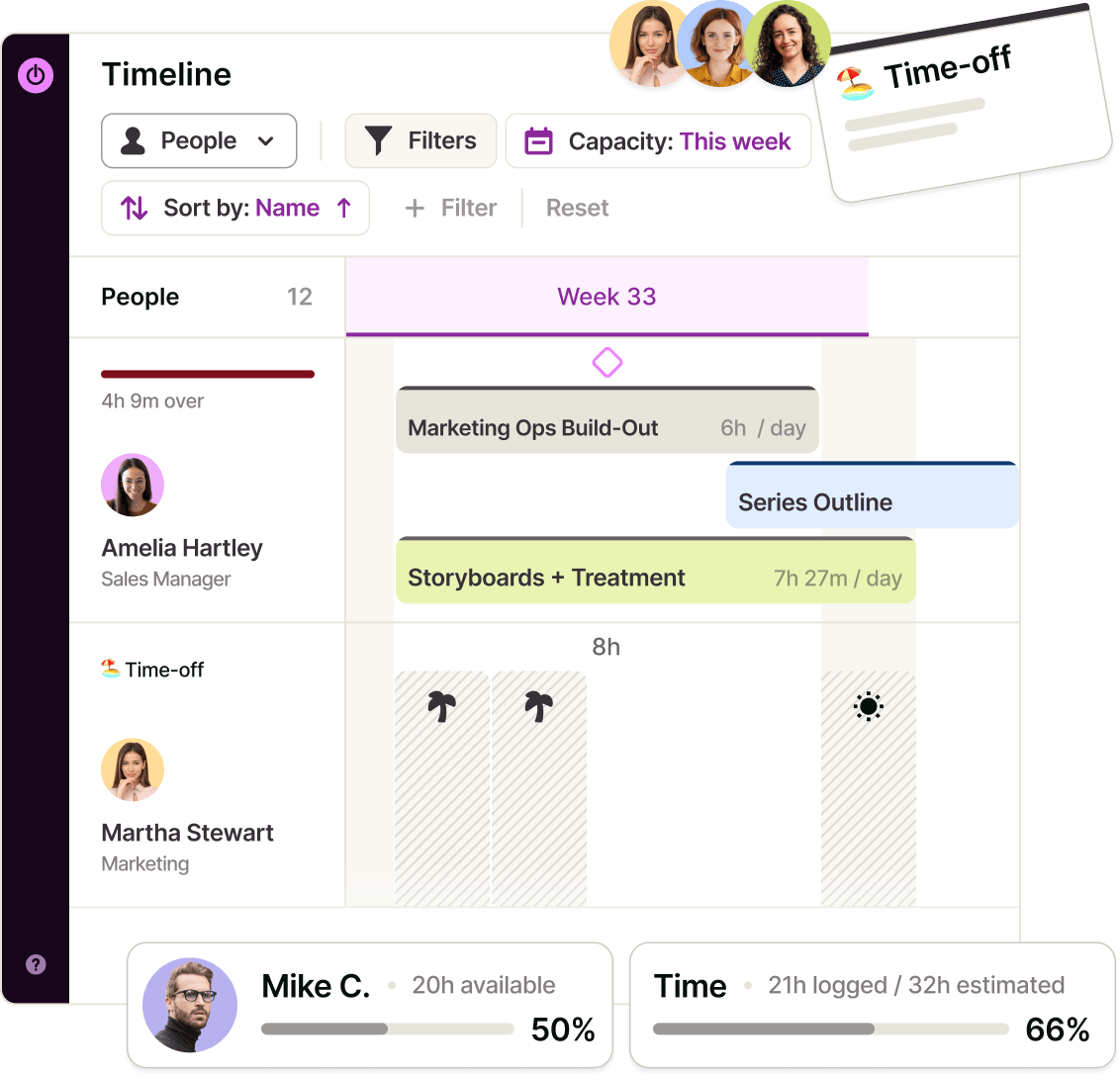
No more a calendar in one tab, a task list in another, and a timer somewhere else. Tasks, meetings, time off, and tracked hours all sit on the same grid.

One place for planning and doing
Drag a task from the backlog onto the day, resize it to the time you think it'll take, and hit play when you start. The same task shows up in Board, Task list, and Timeline.
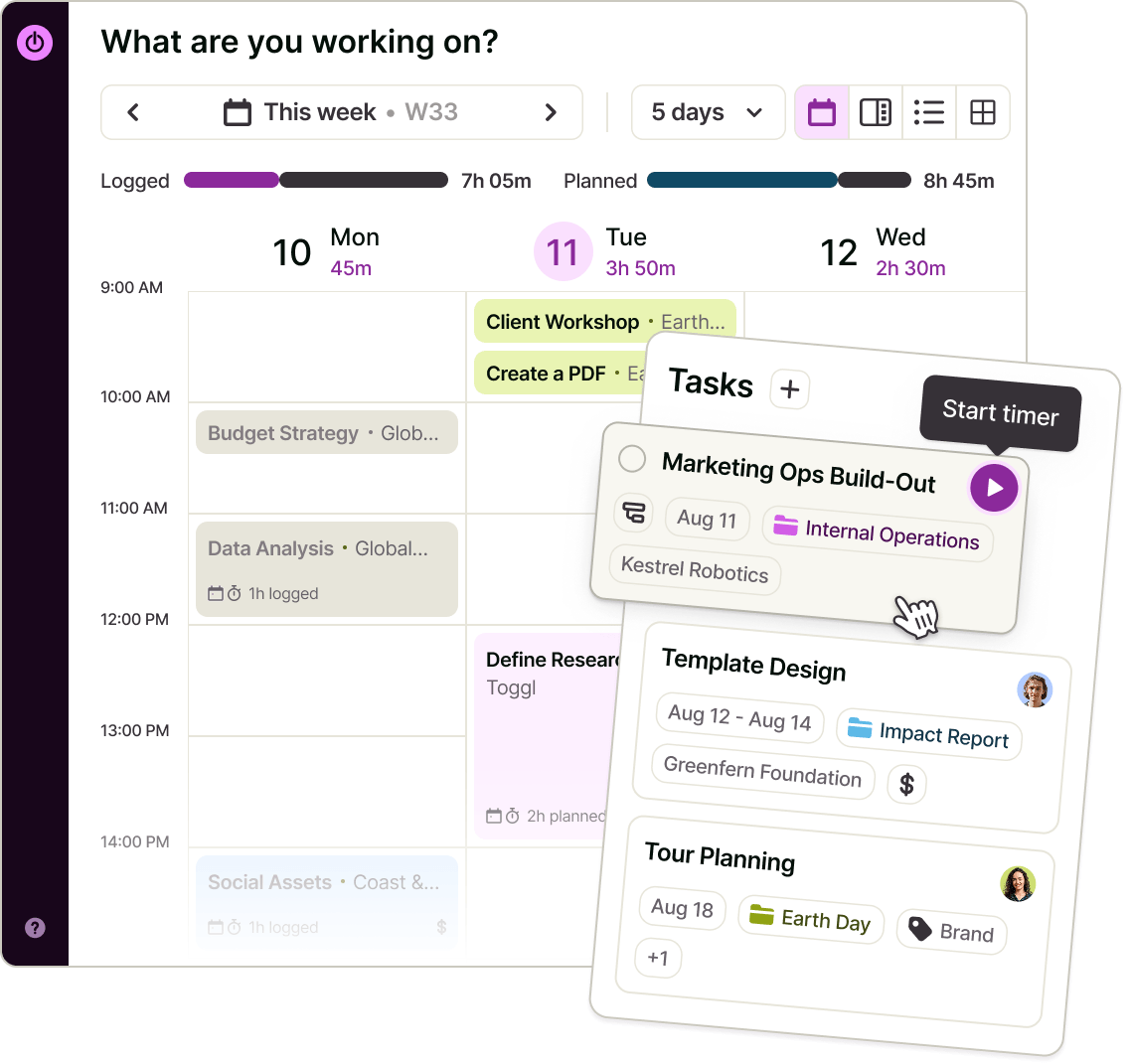

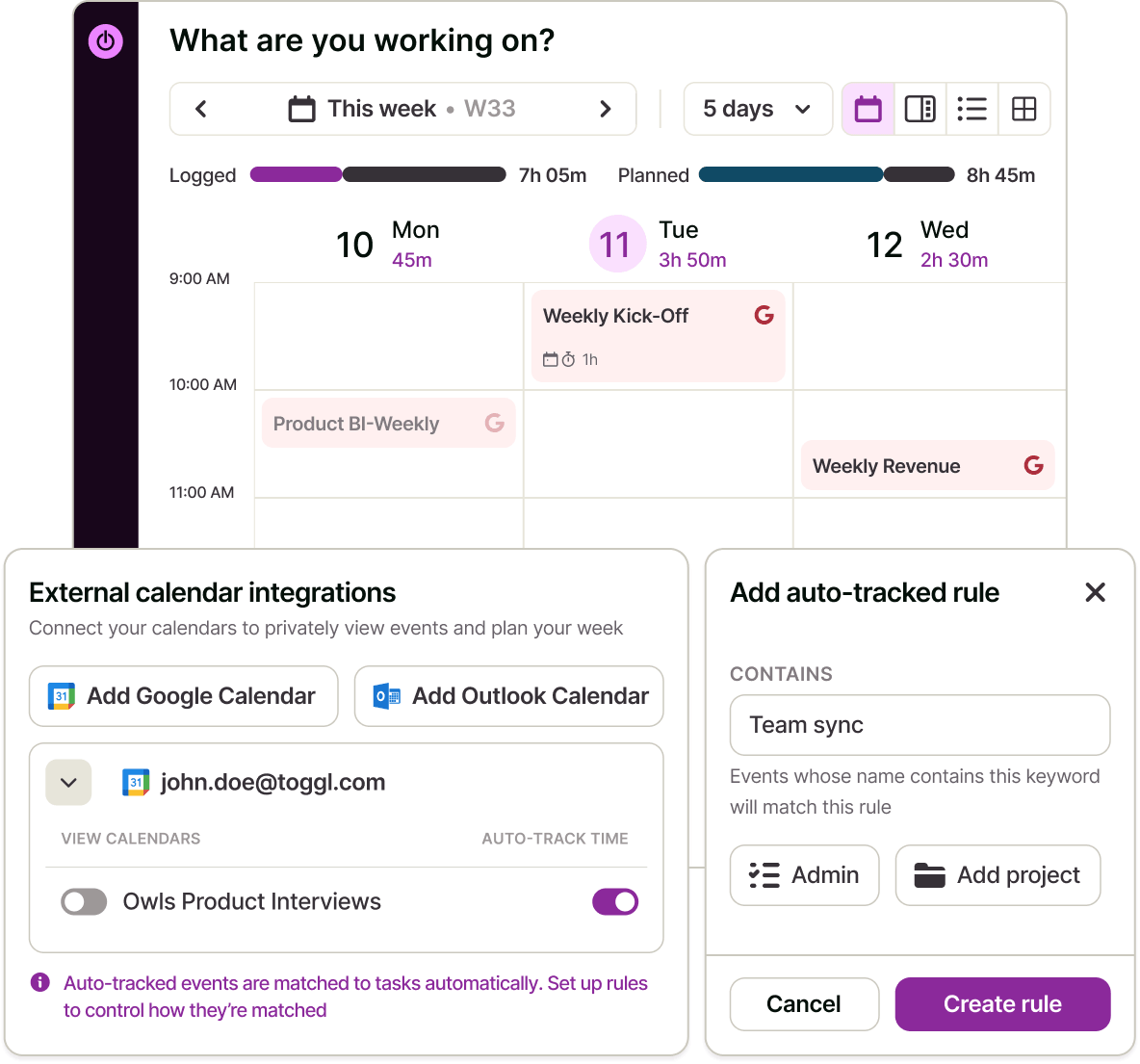
Meetings become tracked time in one click
Connect Google or Outlook and your meetings appear directly on the grid. Right-click a calendar event and log it. Set up matching rules once — a keyword in the title maps to a task and project — and recurring meetings track themselves. Logged events are marked as logged, so nothing gets double-counted.

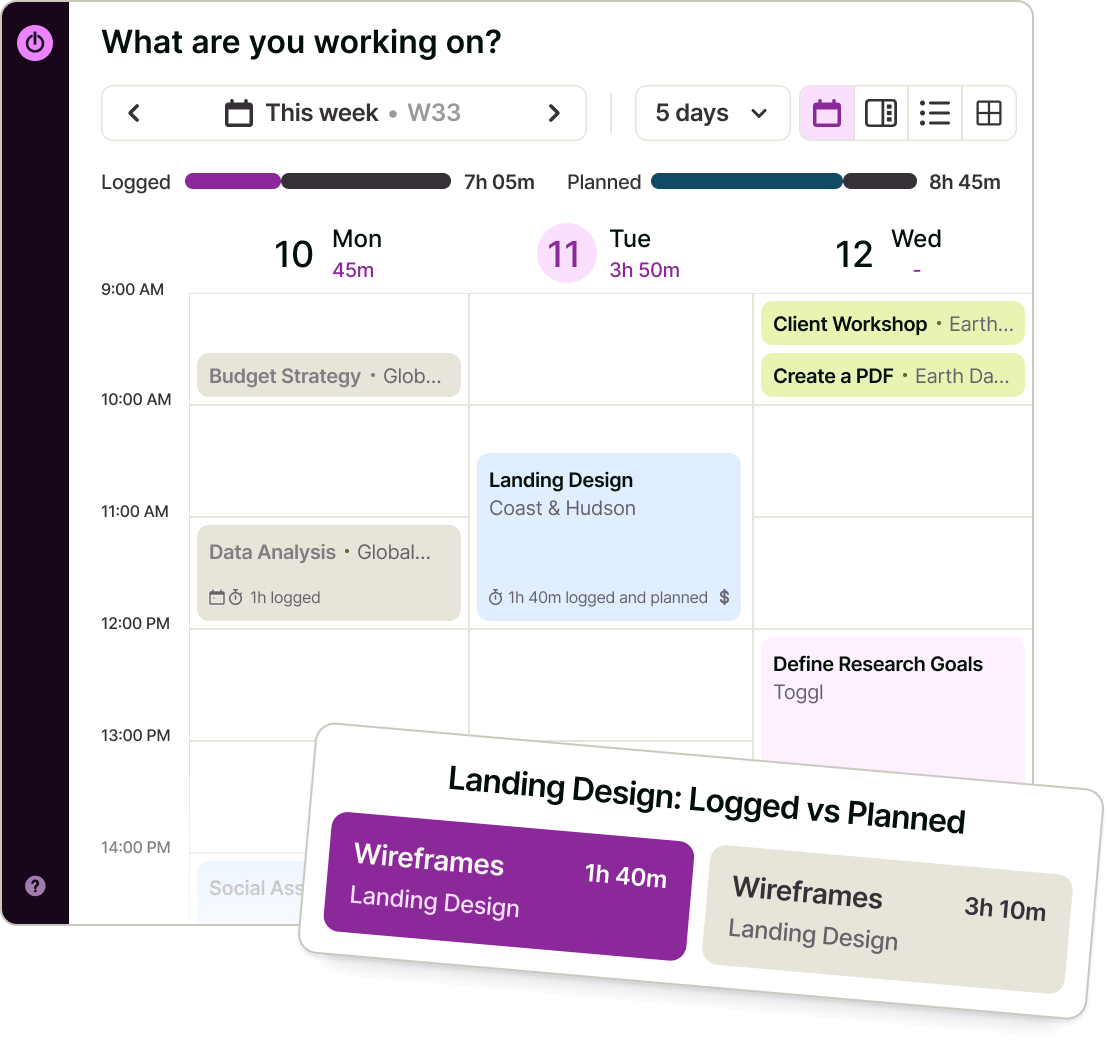
Planned against tracked
Every block shows planned time against logged time. Check the task off when it's done and the task status moves with it.

A day that knows your working hours
Non-working hours are shaded, public holidays are accounted for, and approved time off shows up as its own block — so you're planning against the time you actually have.



Calendar planner features
How does Toggl’s Kanban board work?
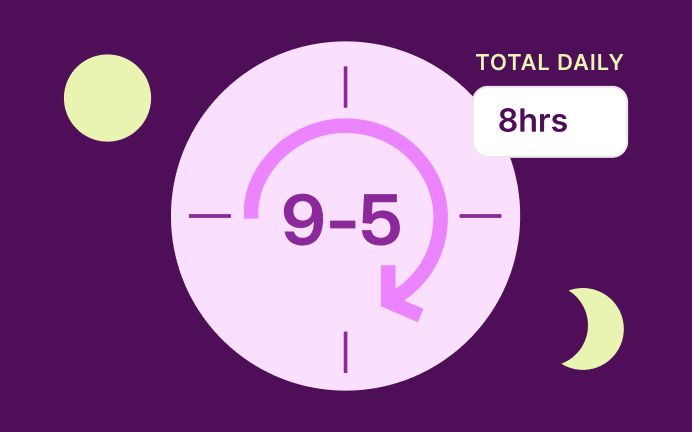
1. Set your working hours
Tell Toggl when your day starts and ends so the calendar plans against real availability.
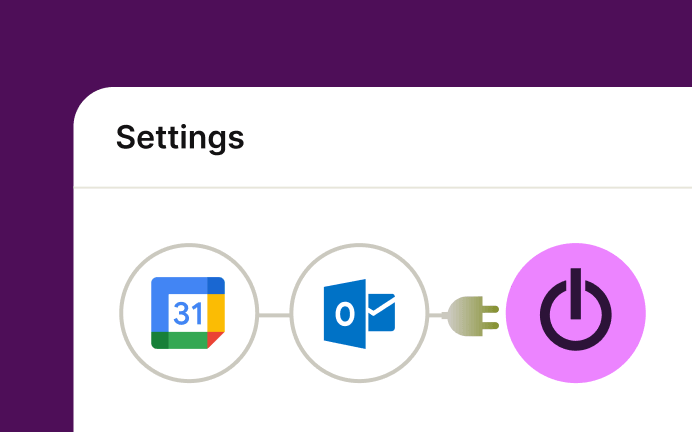
2. Connect calendars, auto-track meetings
Your calendar meetings appear on the grid alongside your planned work, and you choose which calendars to show. Add matching rules so recurring events map to the right task and project without you touching them.
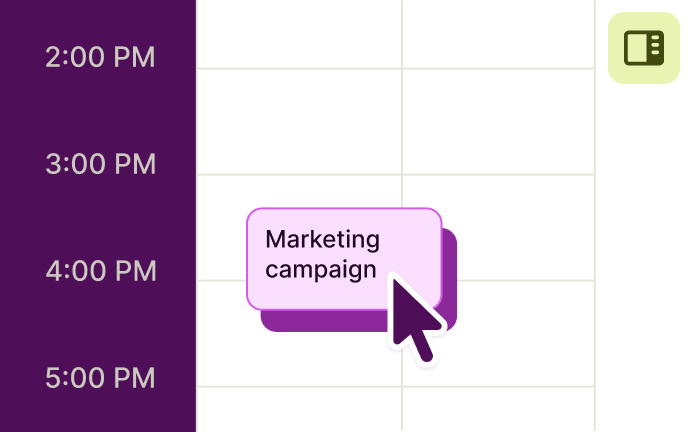
3. Drag tasks onto the day
Pull work from the backlog panel onto the calendar and size each block to the time you expect it to take.
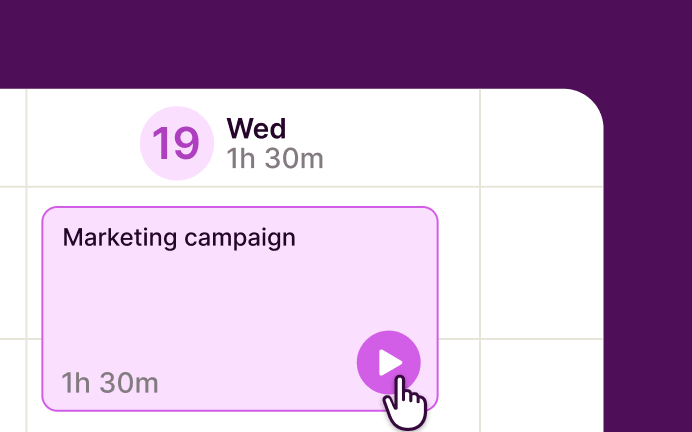
4. Start the timer
Hit play on the block you're working on; the entry renders live on the calendar as it runs.
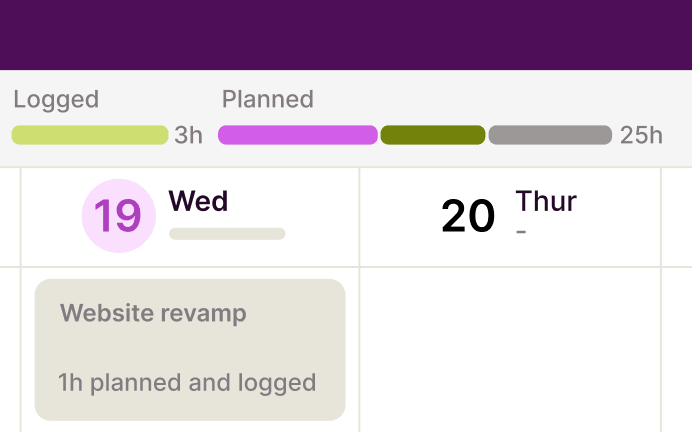
5. Compare plan to actual
Each block shows planned vs. logged time, so you can see where the day drifted and plan the next one better.
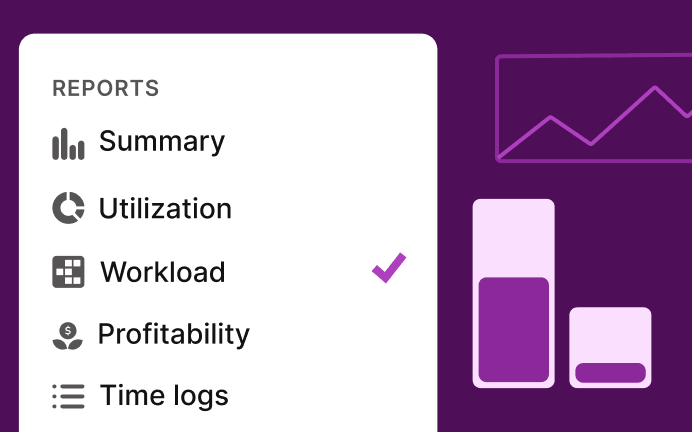
6. Report on it
The same blocks and entries roll up into summary, billable, and (on Premium) workload and utilization reports.
FAQs